Jl. Sukma Kesuma No.25, Peliatan, Ubud, Bali 80571 | +62 811 399 1181
Jl. Bisma No.49, Ubud, Gianyar, Bali 80571 | +62 811 399 1181

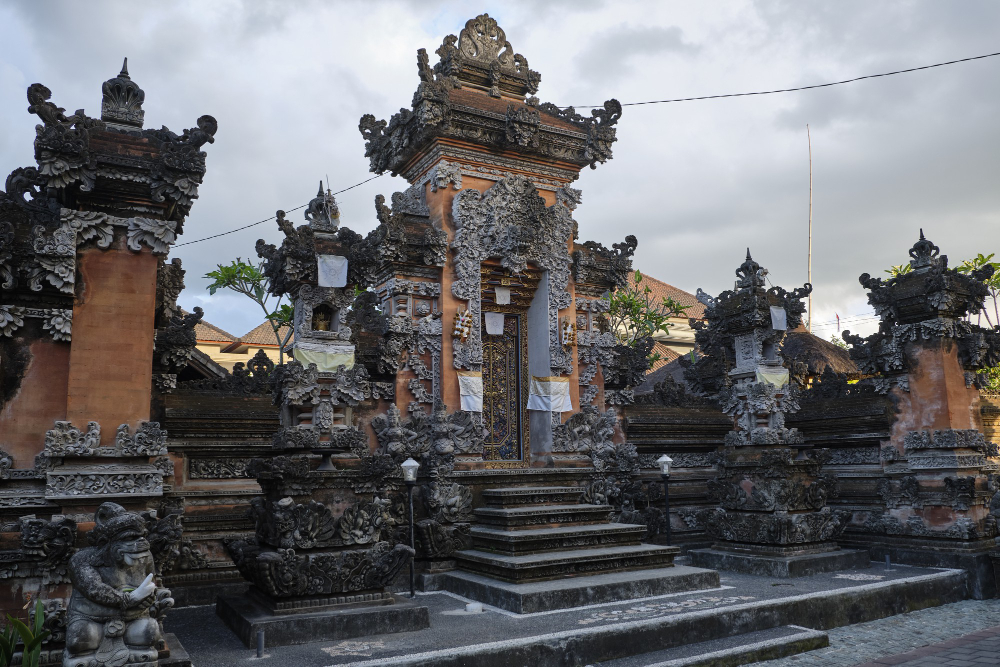
Temples are not just landmarks in Ubud. They are part of daily life in Ubud and can easily be found beside roads, behind traditional gates, and among the green landscapes that define the area. Known locally as pura, these sacred places serve as centers of worship, culture, and community traditions. The story of Ubud Bali Temple life goes far beyond ancient buildings. Each temple reflects centuries of beliefs, rituals, and local values that continue to shape the island today and leave many visitors wanting to learn more.
Temples Worth Visiting in Ubud
Bali is home to more than 20,000 temples, and many of the island’s most visited ones are located in Ubud. With so many options, here are some of the most visited and rewarding temples to explore as an Ubud Bali Temple experience.
1. Pura Taman Saraswati
Pura Taman Saraswati sits right in the center of Ubud, a short walk from the Ubud Palace. The temple is surrounded by a large lotus pond and dedicated to Saraswati, the Hindu goddess of art and knowledge. Traditional dance performances are held here on select evenings, making it a great spot to visit both during the day and at night.
2. Pura Tirta Empul
Pura Tirta Empul is one of the most spiritually significant temples near Ubud. Built around a natural freshwater spring in 962 AD, visitors can participate in a traditional purification ritual by moving through sacred bathing pools and praying under a series of stone spouts. Arrive early for a calmer experience.
3. Goa Gajah
Goa Gajah, or the Elephant Cave, is a 9th-century temple complex with a dramatically carved cave entrance that leads into a small meditation chamber. The surrounding gardens, bathing pools, and jungle ravine make it one of the most atmospheric Ubud Bali Temple visits you can do in a single stop.
4. Pura Gunung Kawi
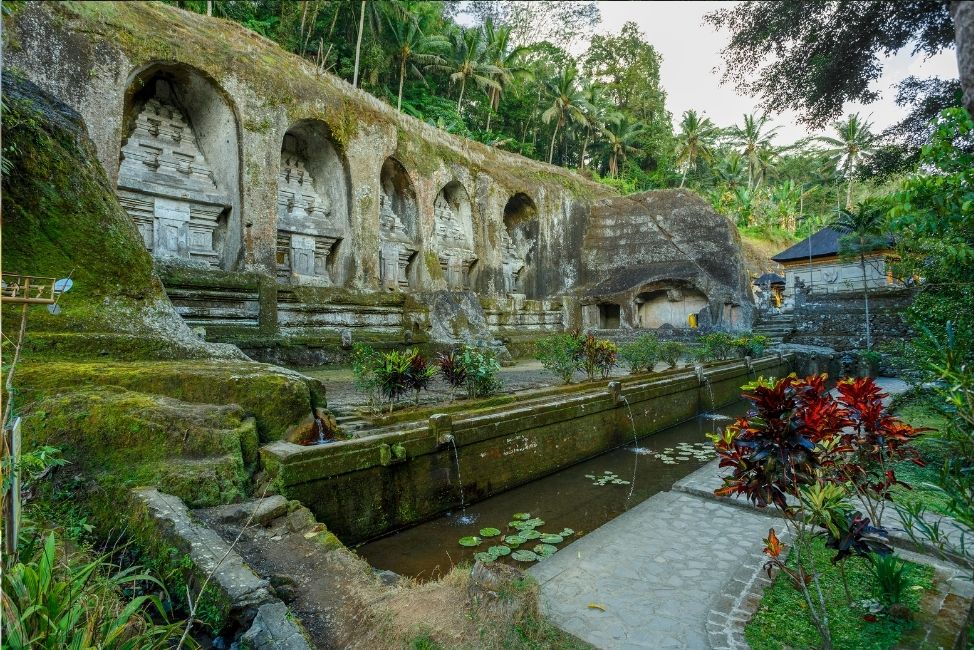
Pura Gunung Kawi features ten ancient shrines carved directly into a cliff face in the Pakerisan River valley. The walk down through rice terraces alone is worth the trip.
What to Expect When You Visit
Every Ubud Bali Temple is an active place of worship, so the atmosphere feels genuinely different from a typical tourist site. You will likely encounter locals making offerings, burning incense, or participating in prayer. The air often carries the scent of incense mixed with flowers. Some areas within a temple complex are open to visitors while others are reserved for worshippers only, so follow the signs and take cues from the people around you.
Most temples have stone steps, uneven ground, and shaded walkways surrounded by greenery. The setting is usually calm and unhurried. Visiting an Ubud Bali Temple is less about ticking a landmark off a list and more about slowing down and taking in something that still feels very much alive.
Tips Before You Go
A few simple things will make your Ubud Bali Temple visits smoother and more respectful.
- Wear a sarong. Most temples provide one at the entrance, either included in the ticket price or available for a small fee. Shoulders and knees should be covered before entering any temple grounds.
- Bring cash. Entrance fees are typically paid in cash. ATMs are not always available on site, so prepare beforehand.
- Go early. Most temples are quieter and cooler before 9:00 AM. Arriving early means fewer crowds and a calmer atmosphere.
- Do not step on offerings. Small flower and incense arrangements placed on the ground are sacred. Walk around them carefully.
- Be mindful of restricted areas. Some inner sections of an Ubud Bali Temple are for worshippers only. Respect these boundaries without needing a sign to tell you twice.
For more travel tips and things to explore around Ubud, visit Chai of the Tiger.